
While we are all cooped up around the world dealing with a pandemic, I am grateful that I was able to make it to Ghana in January and back again. I brought back with me such gratitude for the members of our NGO Board and the girls they service. They too are dealing with COVID-19. As I write this, Emelia is busy setting up sanitary washing stations 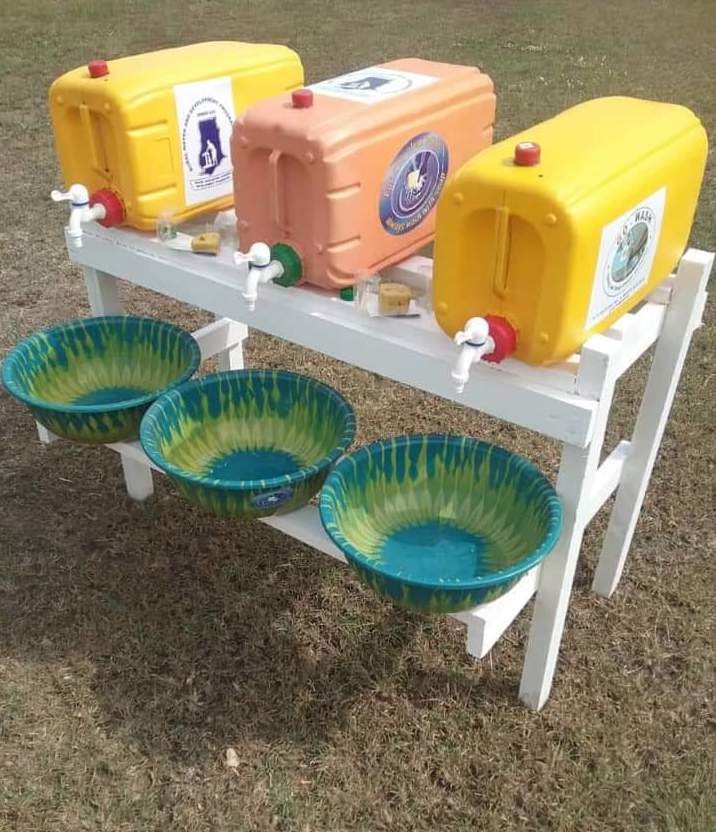 in the rural villages where running water is scarce.
Here’s what happened on my journey:
We survive our 12 hour flight and 2 days in dusty, traffic laden Accra. It is the time of the Harmattan when the wind blows the desert sands down from the Sahara to land on every possible surface. We got to spend some quality time (and a well earned shower) in Accra with our friend and NGO Board member Fulera Seidu.
This trip is different than my other three. I am not a tourist anymore. I see Ghana and its contradictions of growth and backwardness with affection and realism. I am ready for the heat and the grit and the desolate beauty of the savannah. This time, I am here to assess the viability of our NGO and I am pleasantly surprised.
After a 2 hour flight north we are greeted at the Tamale airport by smiling Emelia Guo, our hostess for the week. Our office is located on the outskirts of Tamale. We are proud to ride in our new Leah’s Dream truck. It is a bumpy ride. The red roads are still unpaved. The open sewers remain. Goats and chickens still roam the streets but at last… Ghana has road signs!
We have many meetings arranged. I am most eager to meet our new Peace Corps Volunteer Ian whom the Ghanians call Thomas. First and last names in Ghana are fluid. So Ian Thomas answers to Thomas in Ghana and Ian in the US. He is in Larabanga about 89 miles away so we must wait until after the Afafanto Scholars Alumni Retreat.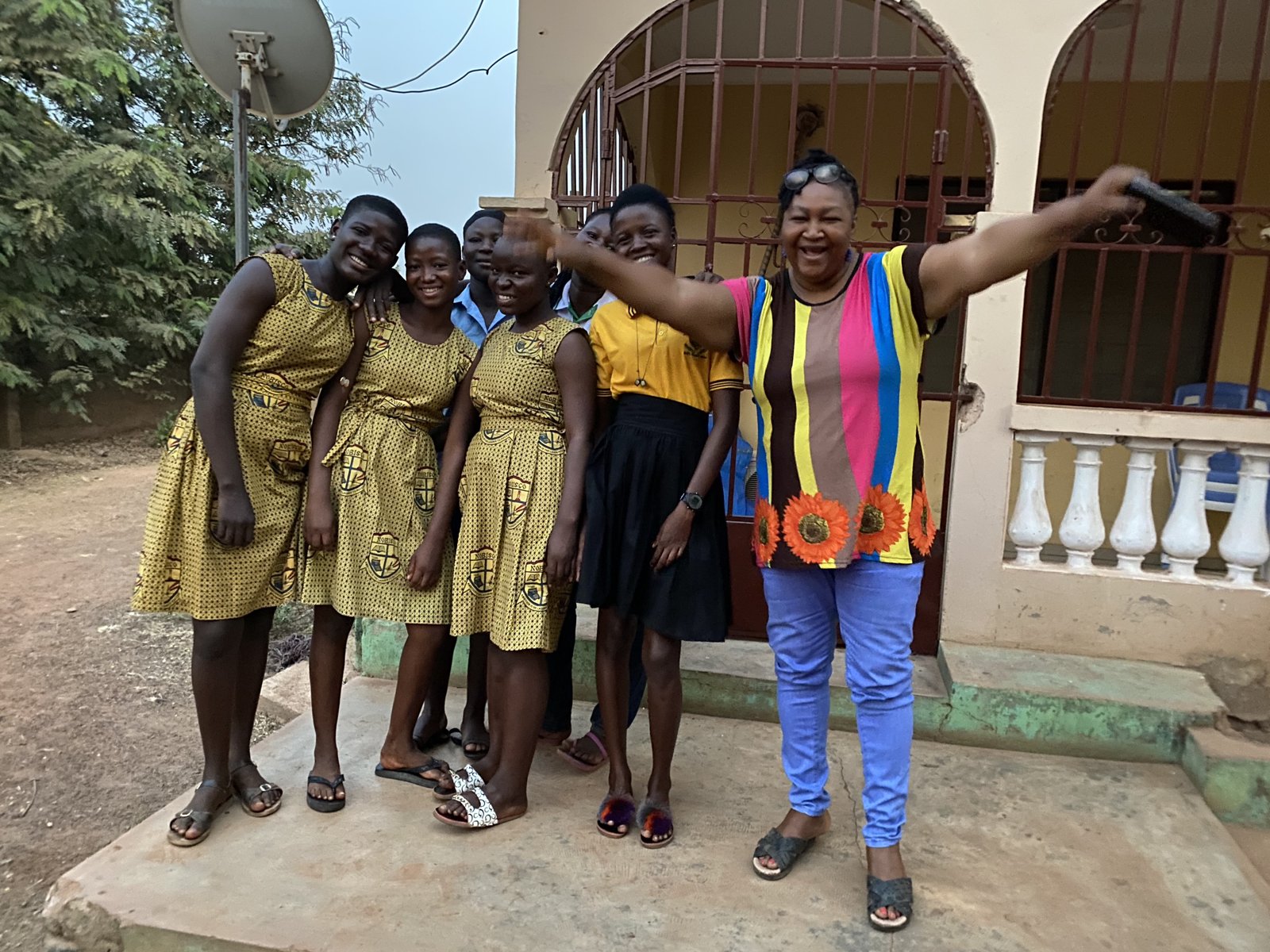 I had asked Emelia to invite as many of our entire roster of 36 Scholars as are available. She had to rent mattresses, as most of the girls arrived the night before eager to reconnect with their fellow alumni. Currently, our Afafanto Scholars are assigned to many different Senior High Schools and they only meet each other through our Bridge Transition Training Programs. Emelia characterizes our Afafanto Scholars as “Brilliant but Needy”. They do not often meet others of their caliber in their villages. Twenty of our Afafanto Scholars are having a “pajama party” in the hall next to our room. Watch this video to see the fun.
With 22 people all using one bathroom, the water situation was tenuous. Now that I am home, I marvel and appreciate the clean, hot and cold running water that is so abundant in our developed nation. Even during this time of sequestration.
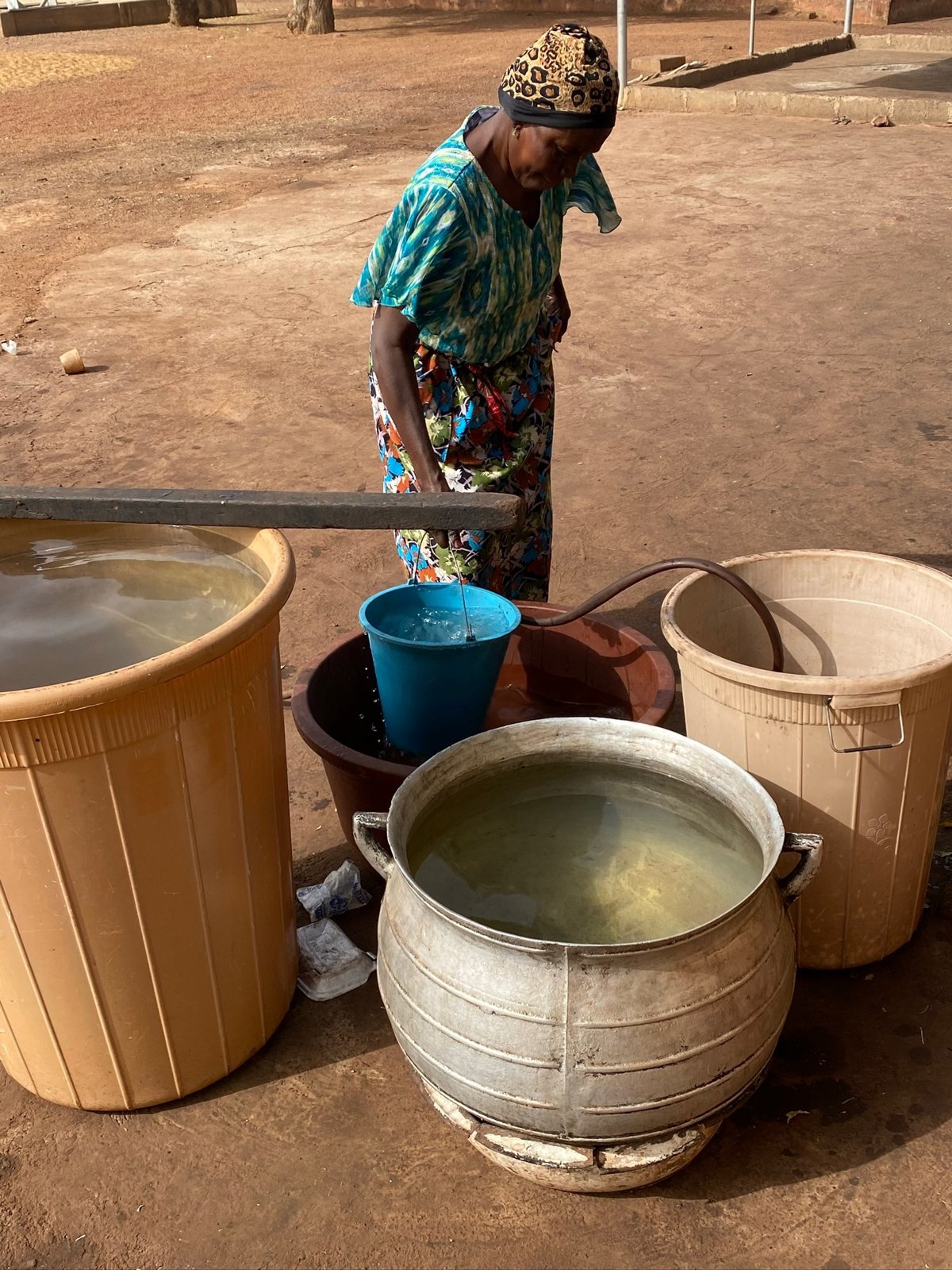
There are only two seasons in Ghana, wet and dry. The dry season in the North lasts from October or November to March or April. Previously, I had always wondered at the giant black cisterns I saw at the homes along the roads. 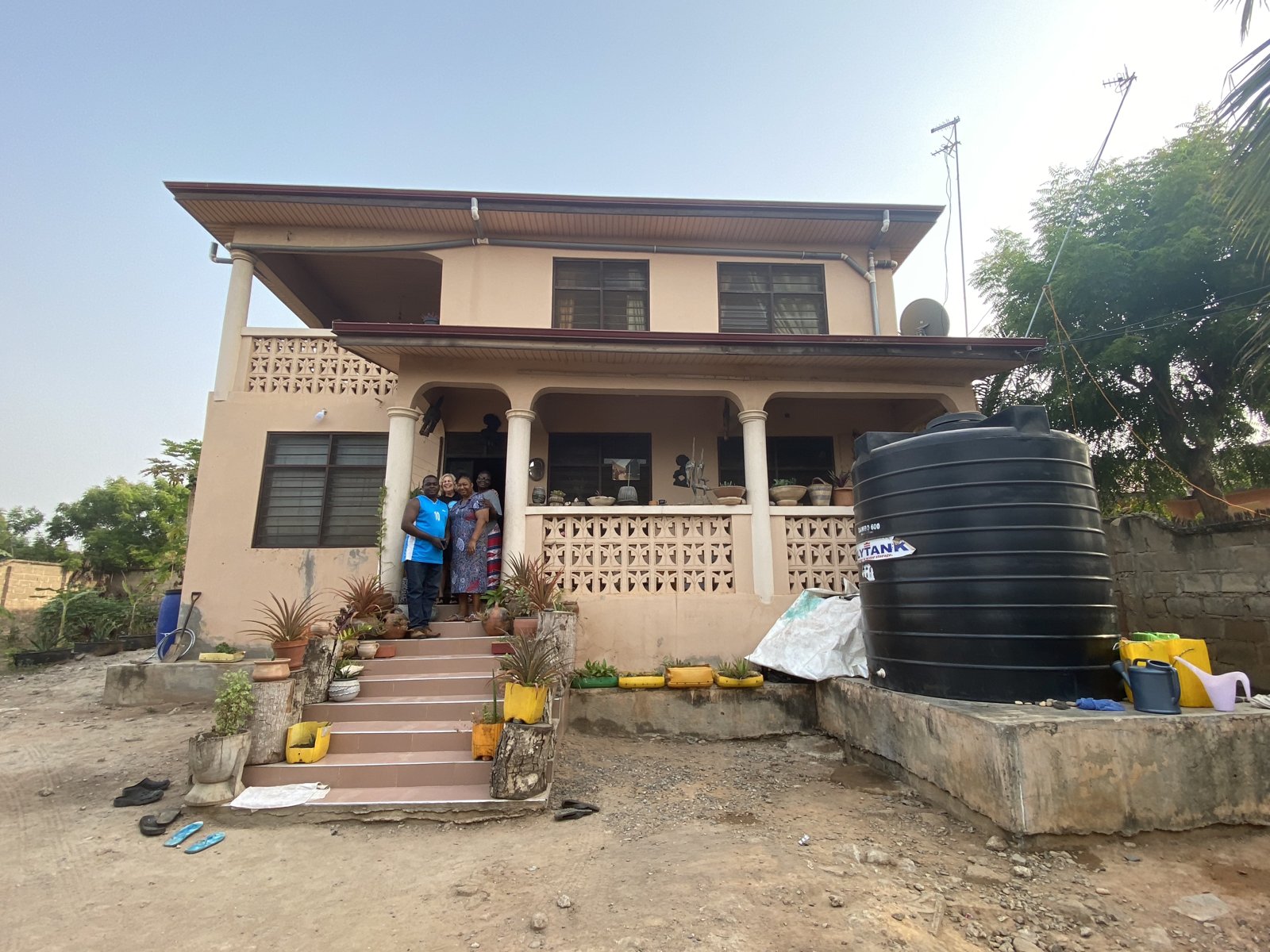 They are crucial during the dry season when running water is not as available. Barbara, a Leah’s Dream US Board member who was with me on this journey, and I were so grateful whenever the water was running. Even cold water. Often during our trip we had to fill up buckets of water to wash with and to flush the toilets.
The next morning, we all gathered for some confidence building exercises and, over a lunch of “red red” rice, we had an eye-opening conversation around the difficulties of the Ghana Educational System. As well as the lack of opportunities for women to be trained for skilled, higher paying jobs. All of our girls expressed the wish to go on to tertiary education. Not all will go to University. Not all can afford to even pay the application fees. “Please Mum, we want to continue our education.” Tugs at our heart strings and Barbara and I offer to pay application fees with the Michael Selter Annual Scholarship. The First Annual Afafanto Alumni Retreat was born that weekend. I am grateful today for the renewed energy for gender equality around the world. I am especially grateful to the Afafanto scholars who will, in a way, pick up the banner for Leah and want to carry it on for themselves. Their paths to equality are so difficult. Listen to this video to hear their stories.
We did get to meet Ian, our Peace Corps volunteer. The Peace Corps has been called back to the US due to COVID-19 and I am grateful that in the six months he was with us, he established the Afafanto Girls Clubs in both Larabanga and Bolgatanga. We now service over 80 Junior High School girls as well as our Scholars. He taught the girls math and test taking skill, he created a safe environment for the girls to talk about their concerns around personal health and safety issues. He became a member of our Afafanto family and we are sad to see him go.
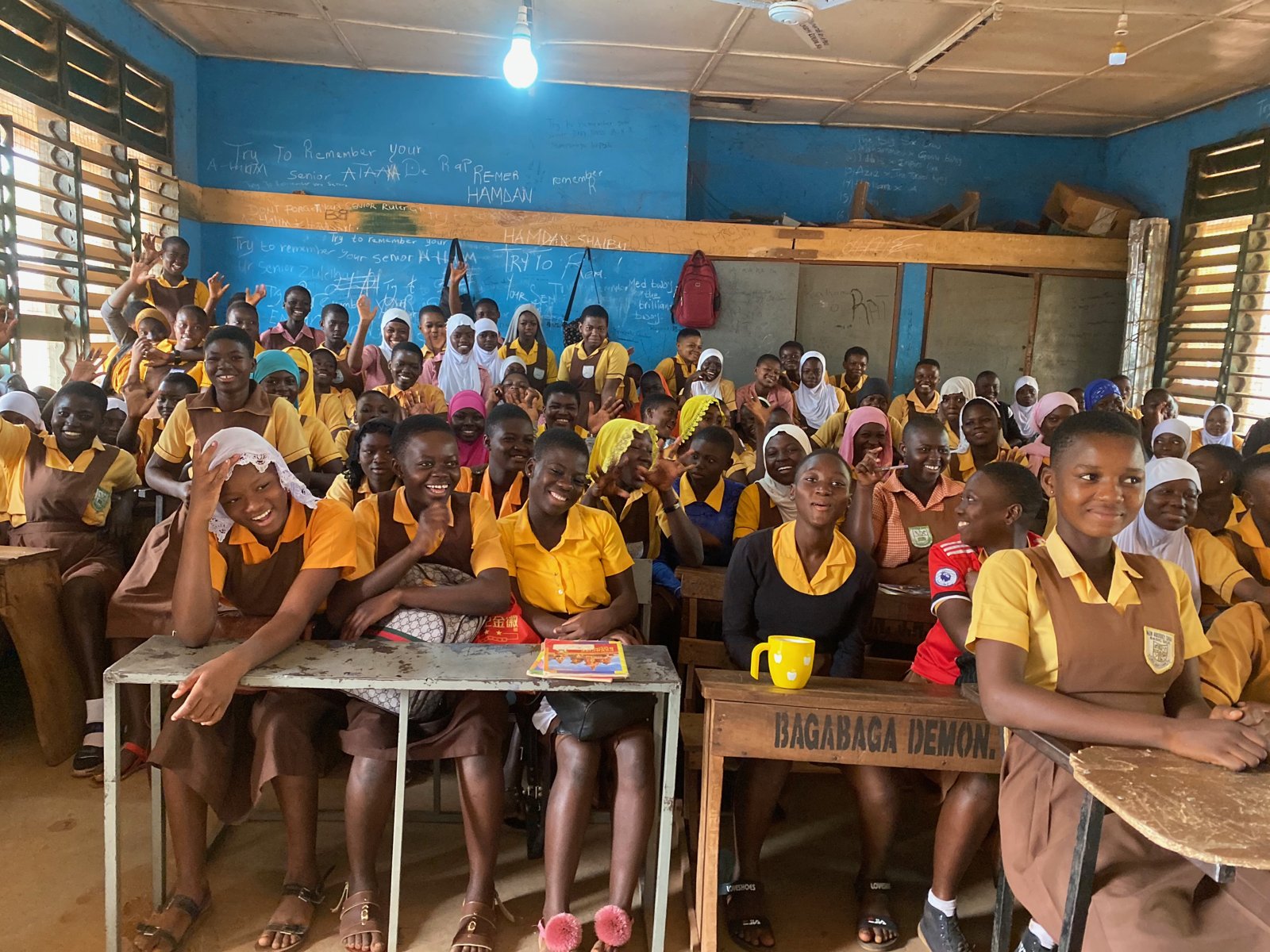
The newly formed NGO Board was enthusiastic about the progress Leah’s Dream has made gaining recognition throughout the region. Emelia has now been featured on several broadcasts. We have grown from 1 girl to 36 girls each receiving all-expense paid educations through secondary school. Our success in programming is offset by the lack of administrative reliability. We need better attention to the small details necessary for any organization to run smoothly. We need to do better at advance planning. We all agreed that we have reached the point where we need to begin a search for a paid, full time staff person. We will need to raise more funds for this.
There was a lot of talk at the board meeting about soap and about shea butter. The third year Senior High girls made soap this year for their skills training. 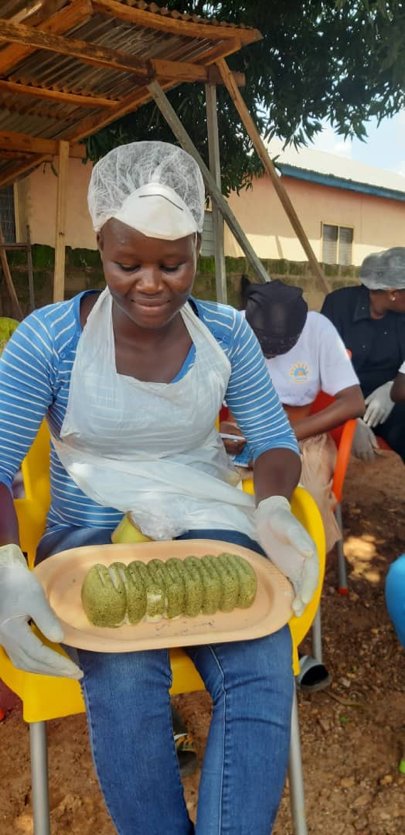 They now have a product that they can easily sell in the marketplace or use for their own purposes. In this time of COVID-19 the importance of soap cannot be overemphasized even in Ghana. The market is expanding. Fulera spoke about our Bridge Transition Program, a mentoring and skills training for our girls transitioning out of school. She stated that commitment and participation during the prior two week Bridge training was excellent with about 15 participants producing about 100 bars of soap. Her worry was that just 1% are practicing the skill afterwards. She is concerned about the lack of real engagement. Apprenticeship opportunities in Ghana are a pathway for our girls to real employment. She would like to offer an apprenticeship in her studio in Accra as an incentive. There was further discussion around finding other sorts of apprenticeships for our girls who do not enter University. We hope to find Ghanaian mentors for our girls and Fulera will work harder to develop our mentorship program. Later, after we met and partnered with Dora, the apprenticeship idea became more realistic.
The day before we were to fly back to Accra, we met Dora Habirsutei Torwiseh who has created a thriving international shea butter business called Nuts For Growth LLC. Labrine, our NGO Treasurer was very impressed with this young woman and persisted in setting up a meeting graciously hosted by our banker Osman. Dora’s story is an inspiration and we wanted to partner with her not only to provide apprenticeships for our graduated Afafanto Scholars but also to provide our girls with a role model for success in their own region. Dora ships shea nuts and processed shea butter to markets all over Europe. She has built the largest warehouse in Tamale for nut storage and is now beginning work on the only shea butter processing plant in the entire country. She has not only accomplished all of this but continues to travel from village to village in the Northern Region providing resources that empower the women who produce shea butter. She is pictured in the middle below.
There is a sisterhood of feminists around the world. We believe in the power of women united to effect change. I was grateful to have felt that power while sitting in a room of 5 powerful women so recently, all dedicated to gender equality and to improving the treatment and respect that women should get from their male counterparts.
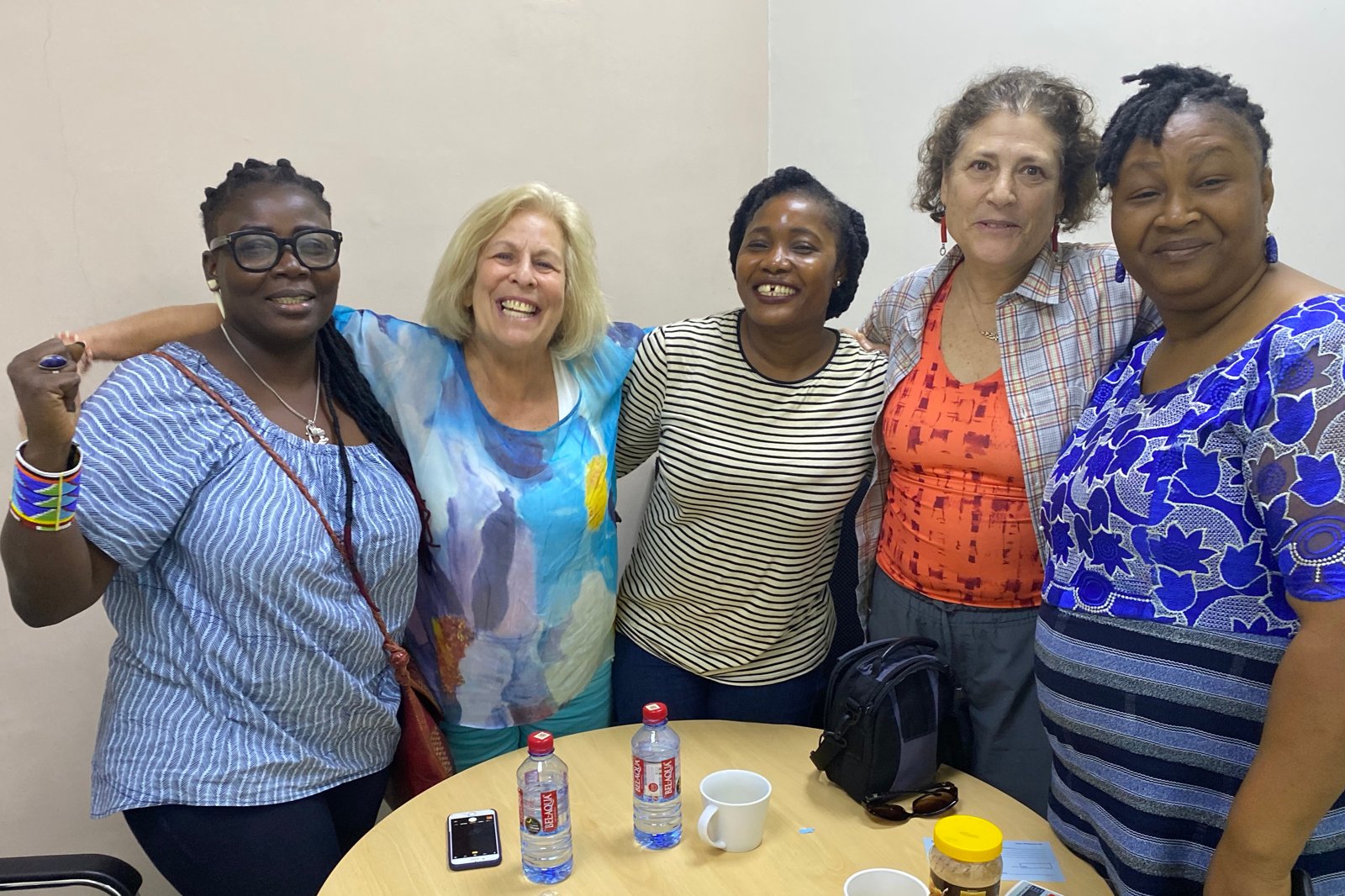
l-r: Fulera Seidu, Barbara Selter, Dora Habirsutei Torwiseh, Sandee Mandel, Emelia Guo
While I am cloistered right now in my comfortable home, wondering what comes next after this terrible pandemic, I know I have easy access to streaming internet content and quick communications. I am glad that my granddaughter will not have to worry about her education. After my trips to Ghana, I stop taking these things for granted.
Most of all, there is much gratitude in my heart for Emelia’s enthusiasm on behalf of girls education and Labrine’s passion for funding it. They have been loyal partners and I am grateful to have them in Ghana carrying out our mission for the past 10 years. The viability of Leah’s Dream is obvious. Our NGO has begun moving out of the cocoon and sprout wings. Leah’s Dream is about to take flight. Stay tuned.